“Have you ever heard of F C Shaklee?”
If you’re like me, the answer—until recently—was no. This question from my wife came after a trip to her mother’s home and a bit of house cleaning that unearthed correspondence from Shaklee to her great Aunt Gertrude and Uncle Earle stretching from 1933 to 1942.
Forrest Clell Shaklee (1894-1985) was a chiropractor and entrepreneur with a keen interest in what we might characterize as nutrition-based holistic health. Shaklee appeared to be inspired early on by the work of Casimir Funk, a Polish chemist generally recognized as the ‘father of vitamins.’ Funk’s research demonstrated a link between deficiency diseases such as scurvy, beriberi and pellagra with the absence of specific organic substances—what he termed “vital amines.”

Looking back at Shaklee’s career, one can see several influences at work. The most apparent is a focus on alternative treatments to conventional medicine, e.g., 19th century dietary-focused health regimens such as that espoused by Sylvester Graham and the water treatments generally labeled hydropathy. Equally apparent was Shaklee’s business acumen. His use of radio programming in the early 1930s (“Clinic of the Air” on KLX Oakland, KNX Hollywood) spread his treatment philosophy throughout much of California; his use of representatives or agents to sell Shaklee health products mirrored the earlier efforts of 19th century Thomsonian medicine and the later marketing of Amway and other direct to market sales operations.
My wife’s relatives (Gertrude and Earle) were satisfied long-term…customers? patients? I’m not sure how to finish that sentence as it seems clear that while the couple were purchasers of Shaklee products (probably Shaklee Vitalized Minerals), they apparently viewed their relationship with Shaklee as something more than a commercial exchange. Aspects of the arrangement certainly feel medical. They subscribed to his Medical Digest; and the correspondence references urine (and possibly blood) samples and completed health questionnaires supplied to Shaklee for analysis.
Shaklee’s subsequent responses focused heavily on dietary guidelines and various supplements—some of the latter appear to have been over-the-counter commercial products, while others appear to have been proprietary to Shaklee.
One element of Shaklee’s success would seem to be the personalized nature of his interaction with customers/patients. Shaklee prepared dietary guidelines for both Gertrude and Earle with handwritten notation (B=breakfast; L=lunch; D=dinner). Over time a personal relationship developed as evidenced by letters in 1942 indicating Shaklee as a guest for a “fried chicken dinner” on more than one occasion at the couple’s ranch outside Hollister, California.

Shaklee’s career shines a light on the grey space intersecting medicine, health and supplementary products including everything from vitamins to what has broadly been described as ‘patent medicine’ products. Shaklee saw the boundaries of these as less Venn diagram than philosophical distinctions. He claimed medicine as something fundamentally different from his aspirations. “They are trained to treat disease. I am interested in building health.”
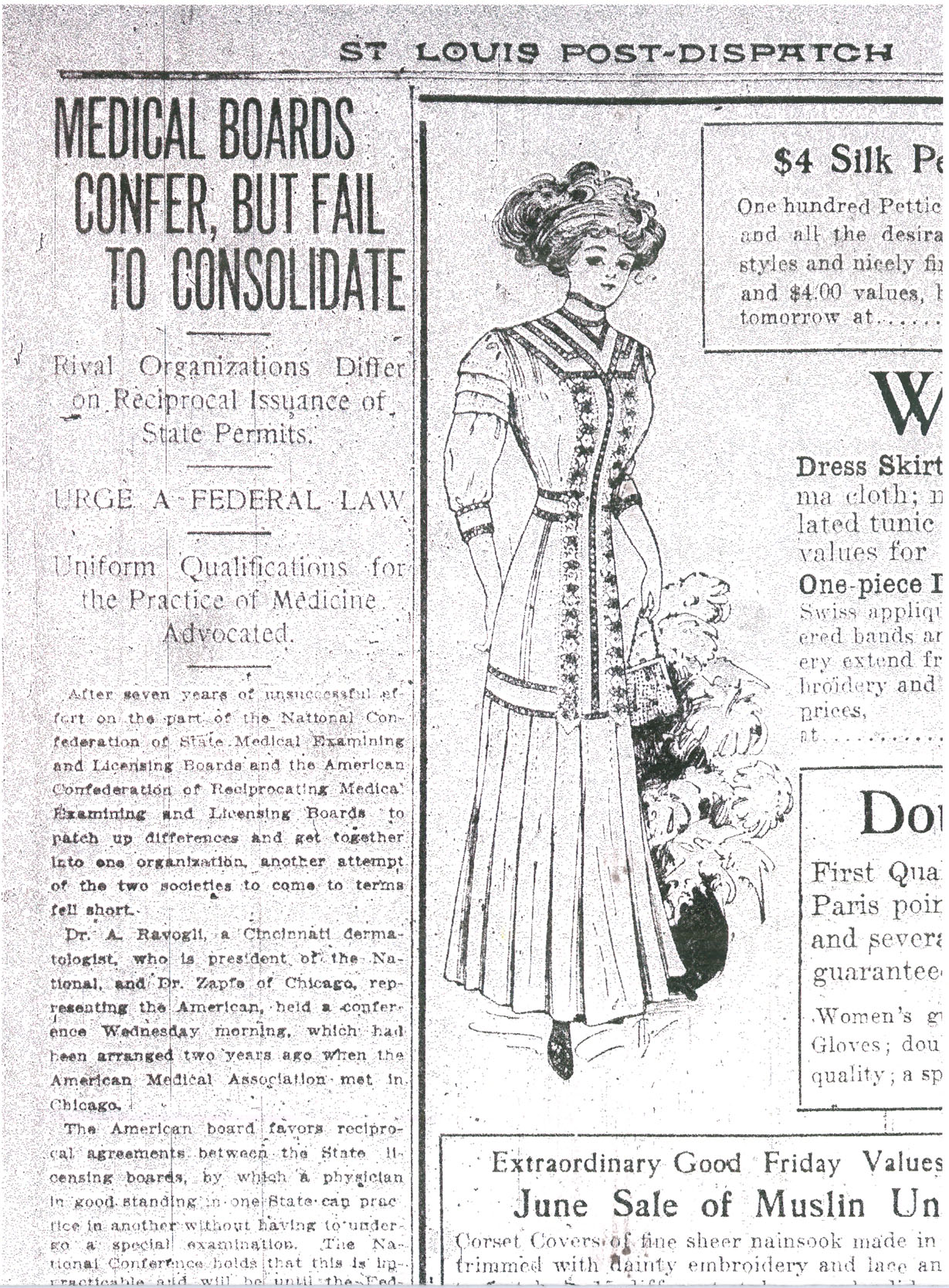
Medical regulators of that era, however, operated frequently as hyper-vigilant guardians of the medical profession, quick to spot and shut down individuals and allied health professionals who dared to drift into the scope of practice defined as medicine. Chiropractors, midwives, naturopaths and, in the first decades of the 20th century, osteopathic physicians, were their most frequent targets. Shaklee proved no exception.
F. C. Shaklee graduated from the Palmer School of Chiropractic in 1915. He returned to central Iowa (Fort Dodge) to ostensibly open up a practice. An ambitious young man, he apparently had operations that extended into Illinois soon thereafter as by 1918 he had a case pending before the Illinois Board of Health for “unlawful practice” of medicine. The resolution of the case is unclear. Arrest and a hefty bond ($300 in this instance) often sufficed for the board to shut down the operations of those targeted for unlawful practice.

A fire in the mid-1920s destroyed Shaklee’s practice in Iowa. He relocated briefly to Oregon before settling in California where he conducted what appears to have been a thriving business. By 1941-42, Shaklee stepped away from his business—perhaps one reason he had time to visit patients like Gertrude and Earle. After an extended period writing several books outlining what he described as “thoughtsmanship” (a lifestyle or philosophy we might see as mindfulness today), Shaklee re-engaged in business affairs. In the mid-1950s, he and his adult sons started Shaklee Corporation selling health and nutritional products.
From a medical regulatory perspective, the Shaklees of the world present something of a challenge. Americans love the quick fix and a cut corner when it comes to their health. We see it today with online and television advertising for “health” products ostensibly addressing everything from probiotic imbalance to low testosterone—a range of products floating outside the FDA approval process. When claims for curative powers accompany such products, it was not surprising for medical regulators in the 1920s and 30s to act—especially when the claims involved eradicating or curing specific diseases. At the same time, other than seeking injunctions, arrest and fines, there was little medical boards could do. Their great weapon was the revocation of a license but as the practitioner was not a physician and had no license at stake…well, you can see the limitation. If Shaklee overstepped into the unlicensed practice of medicine, at least it seems to have involved generally more benign treatments focused on diet. This clearly wasn’t the case with others like John Brinkley,Harold Hoxsey or Norman Baker.
One of my work colleagues great aunts has a Norman Baker connection. I’ll share that story soon.
The views expressed are those of the author and do not reflect those of the Federation of State Medical Boards.
Sources:
“Farewell Surprise,” Quad City Times, Davenport, Iowa; June 17, 1915
“Casimir Funk: Polish-born American Biochemist” https://www.mayoclinicproceedings.org/article/S0025-6196(12)61343-3/pdf
Robert L. Shook, The Shaklee Story (New York: Harper Collins, 1982)

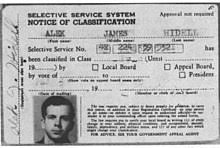
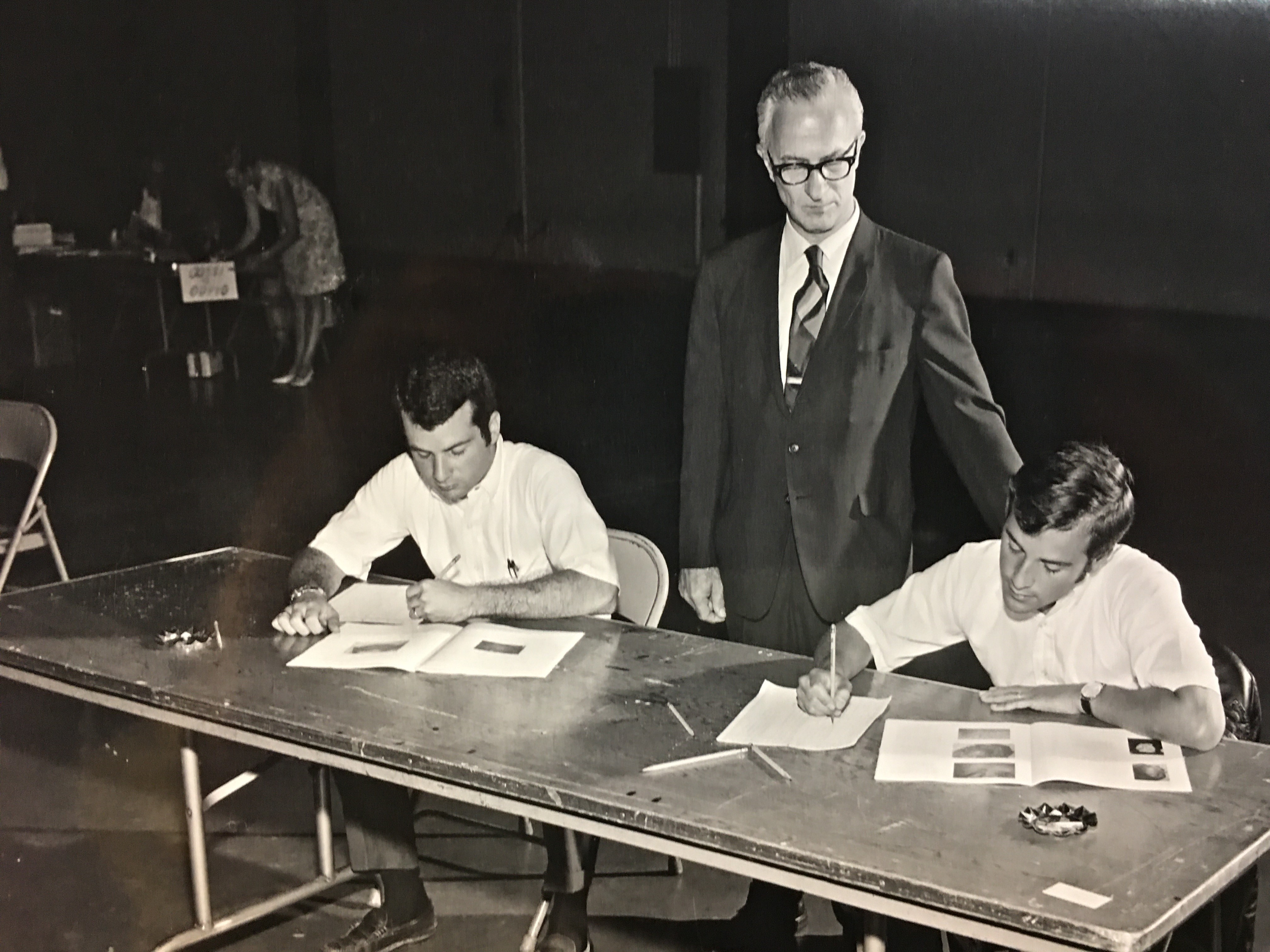
 In my experience, the ability of an unscrupulous individual to get away with a falsified document is directly a function of their ability to play upon an existing relationship with a staff member or faculty at their school or program. I’ve seen this dynamic play out a number of times as the person asking the examinee for evidence of having tested or passed simply can’t believe that the person standing in front of them would ever do something as unprofessional as falsifying their exam record. In fact, they might even feel awkward or embarrassed about questioning a proffered photocopy of a score report or transcript by a student or resident that they have known perhaps for several years.




 My professional activities bring me into regular contact with current and former members of state medical boards throughout the United States. One of the conversational threads that often arises involves reappointment to the board. Often, I’ve heard phrases like, “I’ve termed out but the governor hasn’t appointed anyone yet to take my place” or “We have a Republican governor now and I was appointed by a Democrat so I’ll have to wait and see if I’m reappointed.”
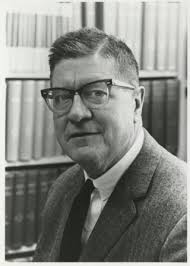 Even one who enjoyed such extreme longevity on his medical board (Robert Derbyshire) acknowledged the trade off this entailed. Yes, the veteran of 20 years on the medical boards may have become expert in disciplinary hearings but, Derby wondered, at what cost in terms of other/new ideas?
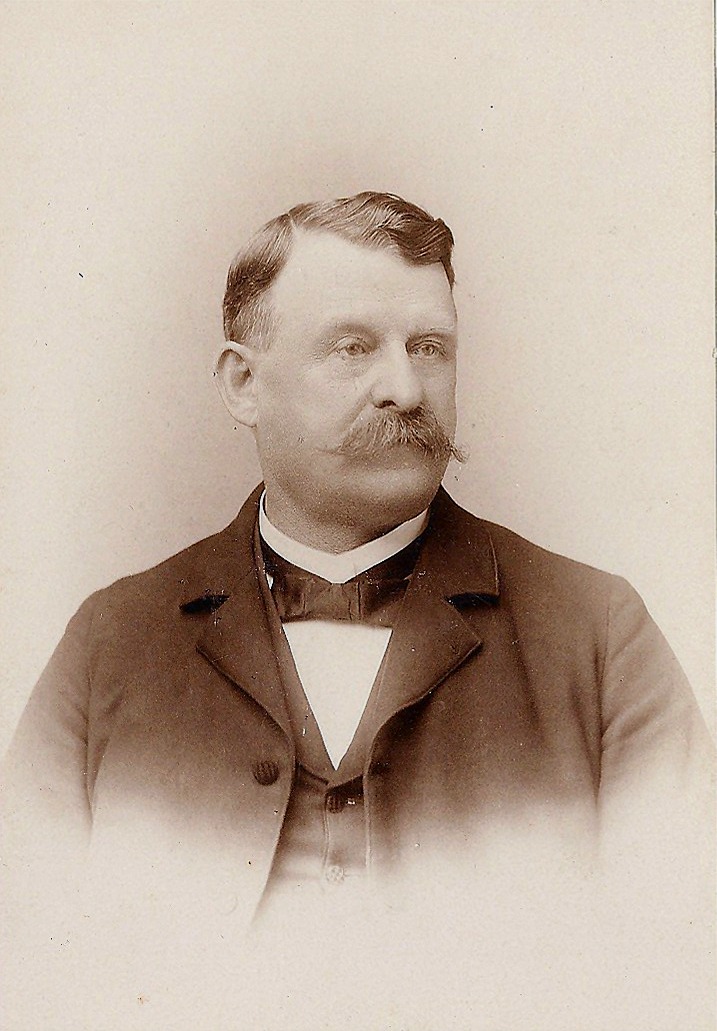 He opened a pharmacy in 1875 in Mansfield, Massachusetts and appears to have combined a medical/pharmacy practice. Massachusetts proved rather late in adopting medical legislation. It wasn’t until 1894 that Dr. Wilson had to apply for a medical license with the Massachusetts Board of Medical Registration.

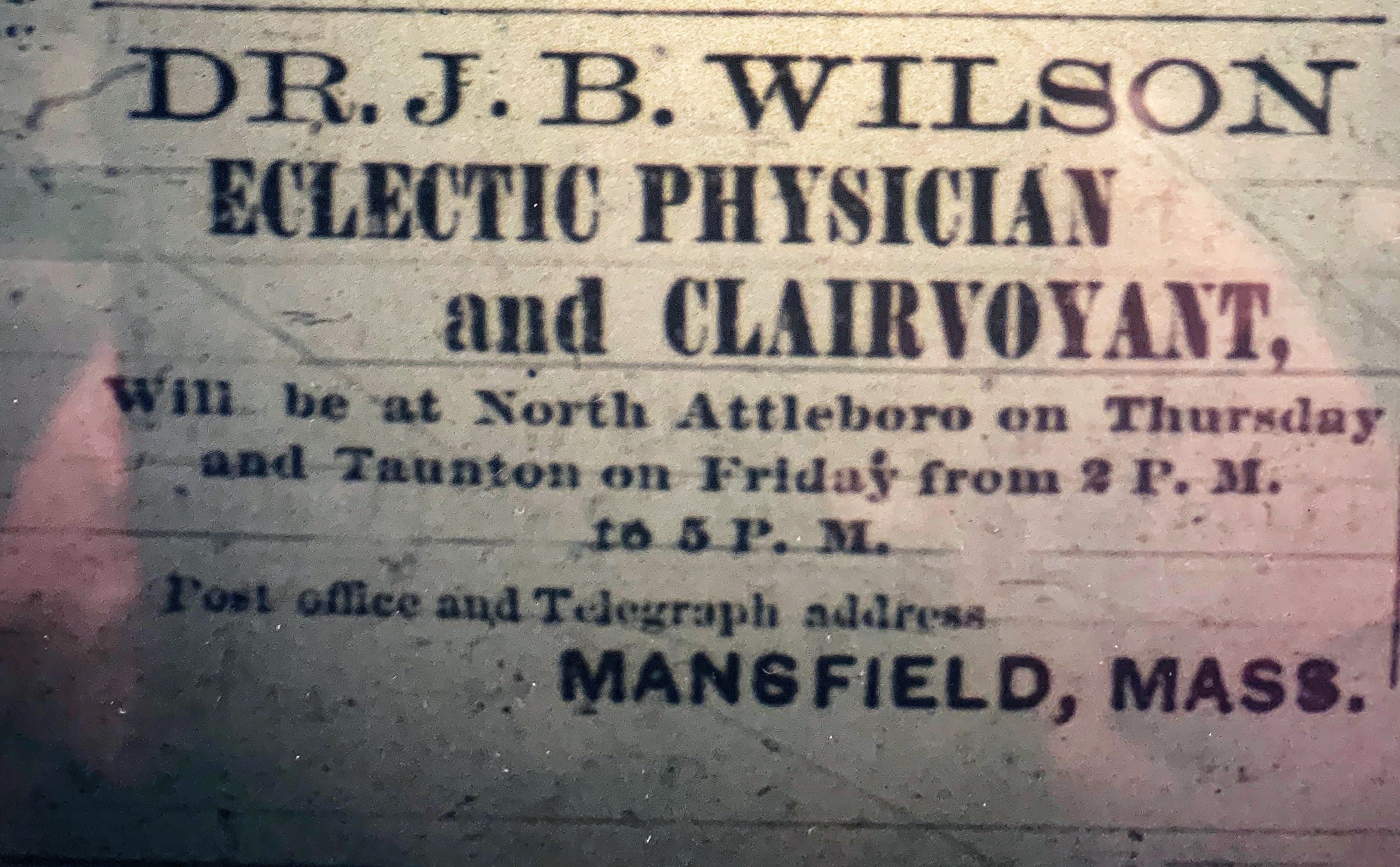 He was apparently a prudent business man too. Eventually, he dropped the clairvoyant from his ads as the early enthusiasm for medical hypnosis waned. Later, he dropped eclectic from his physician title as ‘regular’ medicine began to absorb the homeopaths and eclectics who once saw themselves as practitioners offering patients an alternative to conventional medical practice.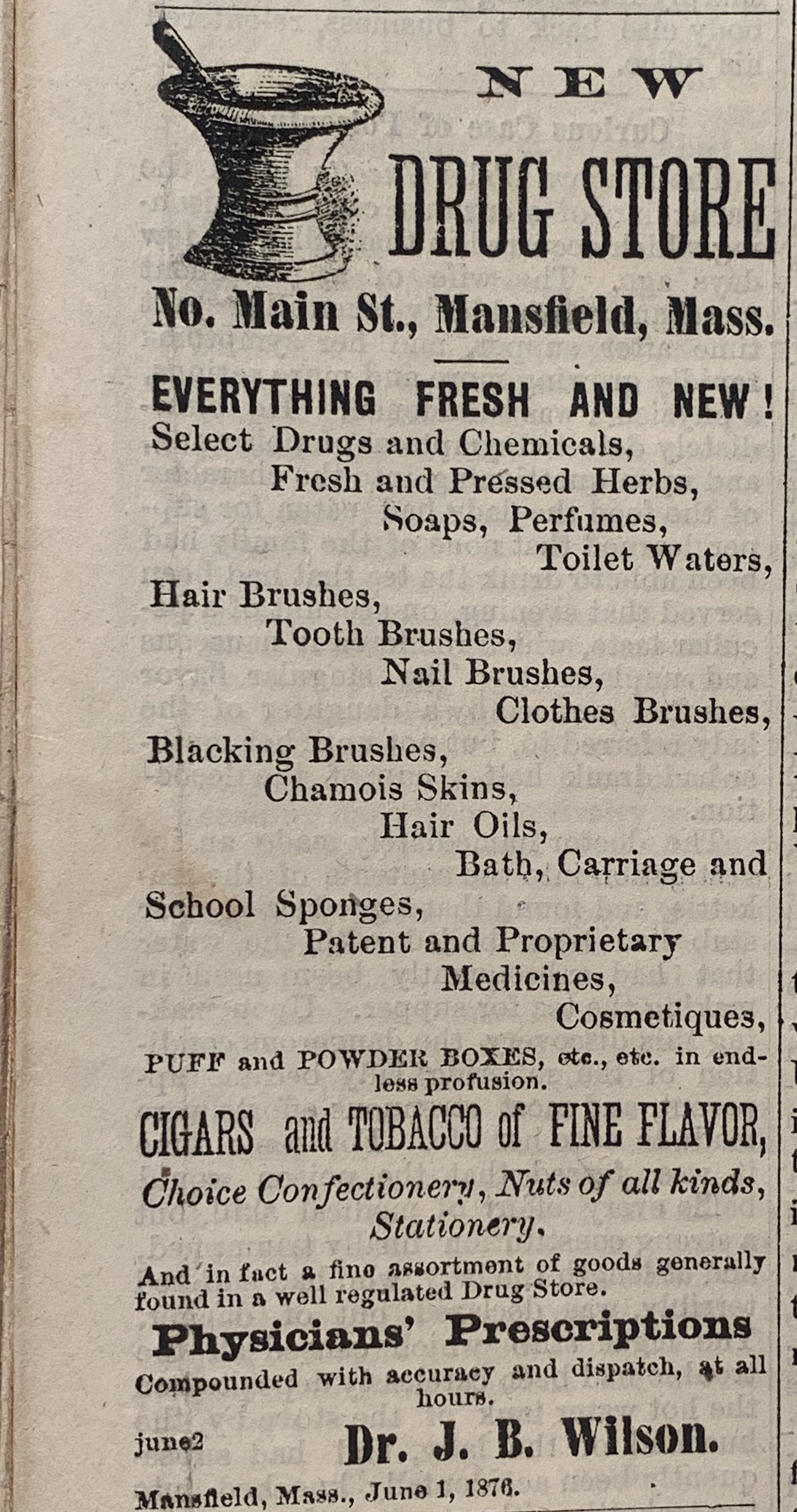
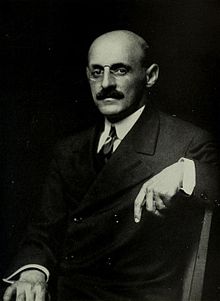 But for all the supposed familiarity with the report by those who love to reference it, one portion has been largely forgotten and seldom cited—chapter 11 dealing with state medical boards. I re-read this chapter recently. What struck me most in revisiting the text was Flexner’s juxtaposition of praise and criticism of state medical boards. I found myself momentarily flashing back to my 10th grade English class, Julius Caesar and Marc Anthony’s funeral oration: “I come not to praise Caesar but to bury him.”
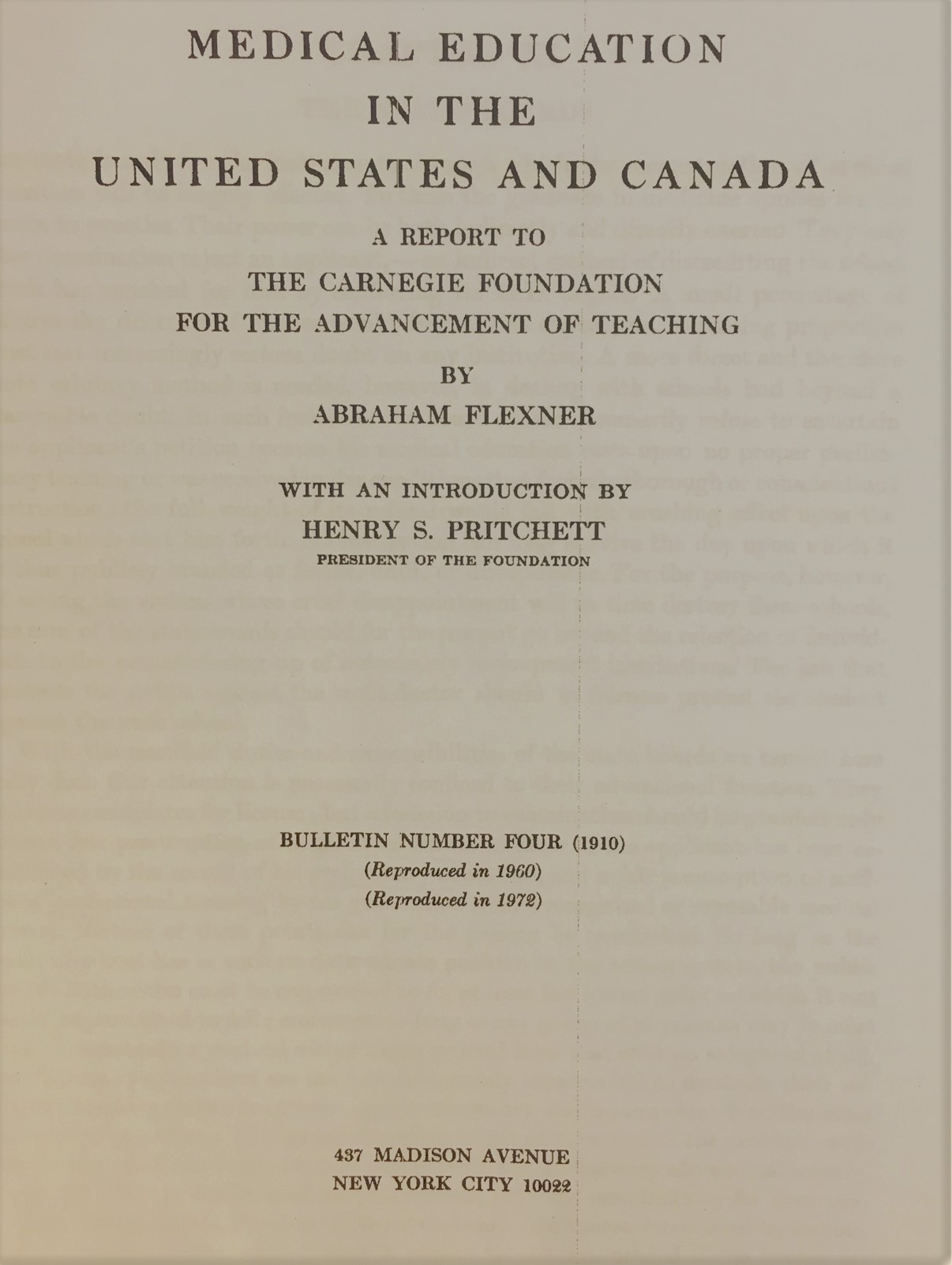 Flexner identified three weapons at the disposal of state medical boards—all of which derived from their statutory authority bestowing varying degrees of oversight/influence on education within their state. These powers included…
